Pains Relieved by Pilates: Benefits and Strengths
Pilates is a discipline that combines strength, control, and mobility to improve physical condition and reduce discomforts caused by a sedentary lifestyle or poor posture. Thanks to its low-impact exercises, it helps strengthen the body, increase flexibility, and improve quality of life.
What discomforts can Pilates relieve?
Regular Pilates practice can help improve discomforts such as:
-
Lower back and back pain.
-
Neck and shoulder tension.
-
Poor posture.
-
Muscle stiffness.
-
Lack of mobility.
-
Core weakness.
-
Balance and coordination problems.
Additionally, it strengthens deep muscles, which promotes better stability and reduces the risk of future injuries.
Benefits of Pilates for the body
Consistent Pilates practice offers numerous benefits:
-
Core strengthening.
-
Improved body posture.
-
Increased flexibility.
-
Greater joint mobility.
-
Improved balance and coordination.
-
Prevention of discomforts and injuries.
-
Greater body awareness and control.
-
Improved breathing.
Pilates for back pain relief
One of the greatest benefits of Pilates is its ability to strengthen the stabilizing muscles of the spine.
By improving movement control and trunk stability, the load on the vertebrae decreases, and many discomforts resulting from lack of strength or poor posture are reduced.
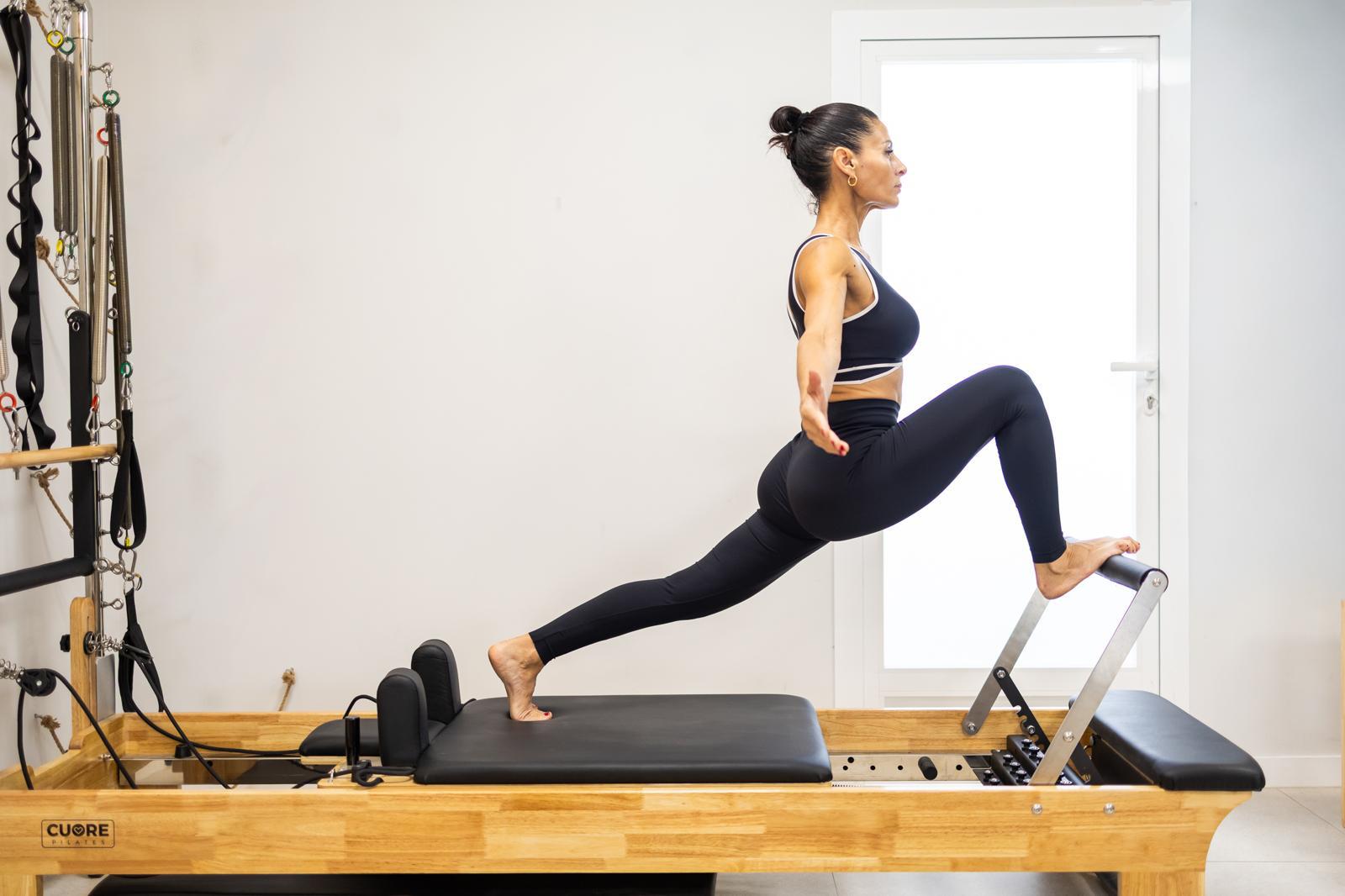
The Reformer with Tower is one of the most recommended machines for strengthening the back, improving mobility, and safely working the stabilizing muscles.
Pilates for posture improvement
During Pilates sessions, body awareness is continuously worked on, learning to keep the spine aligned and activating the appropriate muscles in each movement.
Over time, these improvements transfer to daily activities, helping to walk, sit, or lift weight in a much healthier way.
The Spine Corrector helps improve spinal alignment and progressively correct postural imbalances.
Pilates for strengthening the abdomen and pelvic floor
Pilates strengthens the core (abdomen, back, and pelvis), improving stability, posture, and balance. Additionally, it helps activate the pelvic floor through controlled exercises and proper breathing, reducing the risk of injuries and promoting safer and more efficient movement.
The Chair is one of the most effective machines for working this area.
Mat Pilates or Machine Pilates?
Both modalities are effective, although Pilates with machines allows for more varied exercises and adapts resistance to each person’s level.
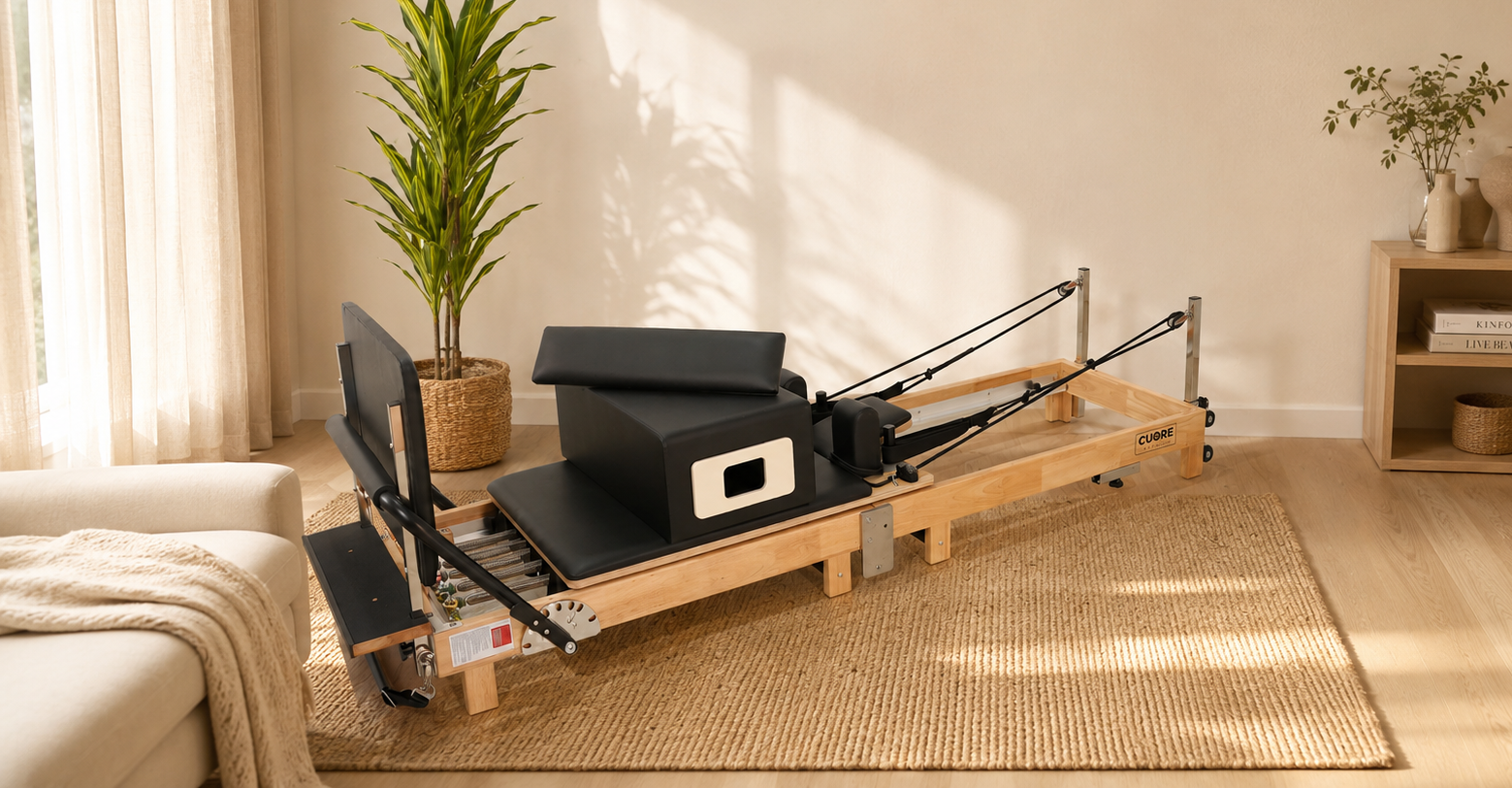
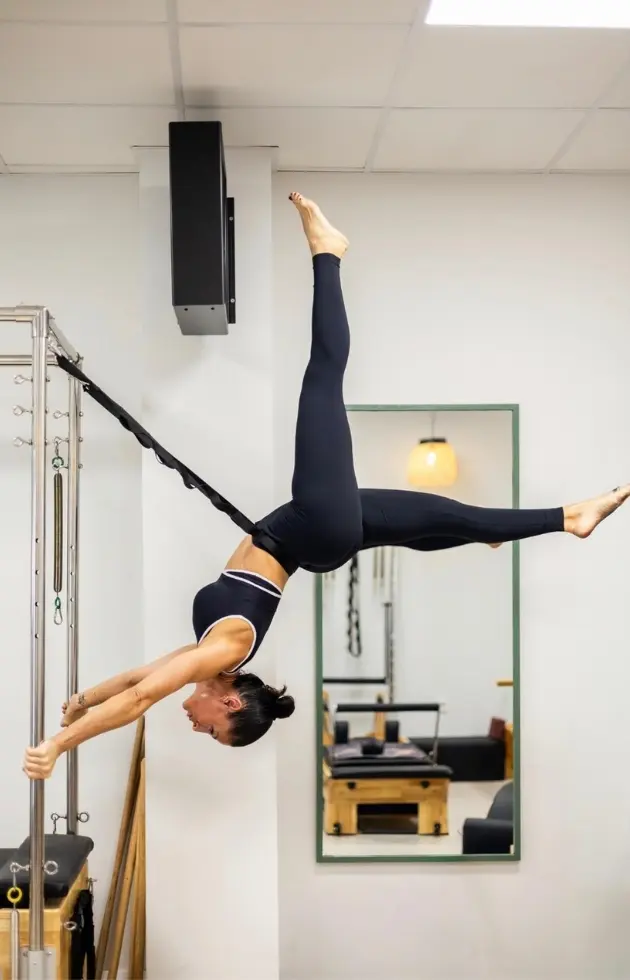
Equipment such as the Pilates Reformer, the Chair, or the Cadillac offer a complete workout to improve strength, mobility, and body control.
How many times per week is it recommended to practice Pilates?
To start noticing improvements, it is most advisable to perform between two and three sessions per week.
With consistent practice, it is common to experience greater mobility, better posture, and increased strength in just a few weeks.
As with any physical activity, regularity is much more important than intensity.
Conclusion
Pilates is a complete discipline that helps relieve discomforts, improve posture, and strengthen the body safely. Whether you practice on the mat or with machines, incorporating Pilates into your routine will allow you to gain strength, mobility, and well-being. If you are looking for a more complete experience, Pilates machines offer a versatile workout adaptable to any level.